Worker to skim coat surface of concrete pavement floor or slab. Worker and renovation work. To using roller painting mortar cement or finishing material for repair crack, skim coat or improvement surface of concrete pavement floor or slab for driveway or garage. epoxy garage flooring stock pictures, royalty-free photos & images

Hybrid epoxy flooring has gained immense popularity among homeowners looking to enhance the aesthetics and functionality of their garage spaces. By combining the best qualities of epoxy resins and polyurethane, hybrid epoxy flooring offers unparalleled durability, style, and longevity. Below, we explore why this modern flooring solution is considered a gold standard for garages.

Epoxy Garage Flooring Contractor Clearwater FL for Exceptional Durability

  • Impact Resistance: With an ability to withstand drops or impacts from heavy objects, hybrid epoxy floors are less prone to cracks or chipping.
  • Abrasion Resistance: Whether it’s constant foot traffic or rolling tires, these floors maintain their integrity over time without showing signs of wear.
  • Chemical Resistance: Hybrid epoxy coatings can resist damage from harsh chemicals such as motor oil, gasoline, and cleaning solvents that are common in garage environments.

Expert Epoxy Flooring Installers in Clearwater FL for a Stylish Upgrade

  • Customizable colors to match the home’s overall design scheme
  • Glossy or matte finishes to suit individual preferences
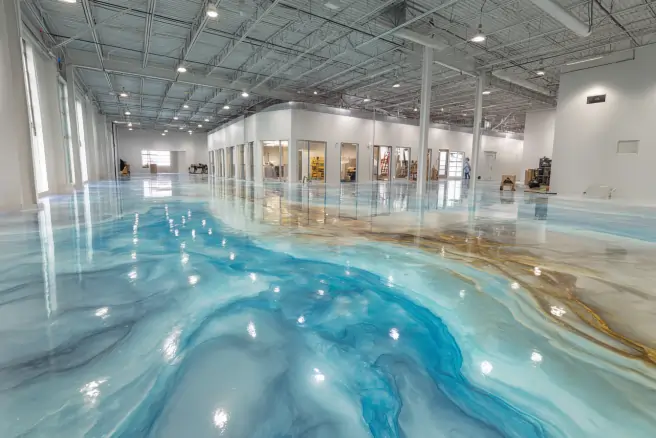
  • Decorative flakes or metallic pigments for visual texture and depth

These features make hybrid epoxy floors not only practical but also visually appealing—turning an ordinary garage into a showroom-worthy space.

Easy Maintenance

  • Quick cleaning with just soap and water
  • Resistance to staining caused by spills
  • Reduced need for frequent repairs due to long-lasting materials

Cost-Efficiency Over Time

Although the initial investment in hybrid epoxy flooring might be higher than some alternatives like plain concrete coatings or vinyl tiles, its long-term cost-effectiveness cannot be overlooked. The combination of minimal maintenance requirements and extended lifespan ensures homeowners save money on repairs or replacements over time.

Feature Hybrid Epoxy Flooring Traditional Concrete Coating
Durability High Moderate
Aesthetic Variety Extensive Limited
Maintenance Effort Low Moderate
Chemical Resistance High Low

Eco-Friendly Benefits

Modern formulations of hybrid epoxy are often eco-conscious; many products used today emit low levels of volatile organic compounds (VOCs). This makes them safer for both installers and homeowners while reducing their environmental footprint.

Hybrid epoxy flooring blends robust performance with aesthetic customization perfectly suited for residential garages. Whether you’re upgrading your storage area or seeking a refined surface capable of handling daily challenges in style, this innovative solution stands out as a lasting investment worth considering.

Discover the Advantages of Clearwater Epoxy Garage Flooring for Your Home

Hybrid epoxy flooring has emerged as a remarkable choice for residential applications due to its durability, versatility, and aesthetic appeal. Whether you’re renovating your garage, basement, or any indoor surface, hybrid epoxy flooring offers a range of benefits that make it a preferred option for homeowners. Below are some of the key advantages that demonstrate why this flooring solution is worth considering.

Durability and Longevity

  • Impact Resistance: Ideal for high-stress environments like garages or workshops.
  • Abrasion Resistance: Maintains its appearance despite constant movement and friction.
  • Chemical Resistance: Protects against damage from oils, solvents, and other household chemicals.

With proper maintenance, hybrid epoxy floors can last for decades without losing their structural integrity or visual appeal.

Aesthetic Flexibility

  • Solid Colors: Clean, modern aesthetics with single-tone finishes.
  • Metallic Finishes: Adds depth and a unique visual texture to your floor.
  • Flake Systems: Incorporates decorative chips to create non-slip surfaces in vibrant designs.

Homeowners can opt for matte or glossy finishes based on their desired level of shine.

Ease of Maintenance

  • Regular sweeping to remove dust and debris.
  • Occasional mopping with mild soap and water.
  • Prompt cleanup of spills to prevent residue buildup.

This low-maintenance quality makes it an excellent choice for busy households looking to reduce cleaning efforts while maintaining pristine surfaces.

Safety Features

Feature Description
Anti-Slip Coatings Reduces slip hazards in wet or oily conditions
Reflectivity Enhances lighting by reflecting light around the room
Seamless Installation Eliminates gaps where dirt or moisture may accumulate

These safety enhancements make this flooring ideal not only for garages but also for areas like laundry rooms or playrooms.

Cost Efficiency Over Time

Although the initial installation cost may be higher compared to some traditional options like concrete staining or vinyl sheets, hybrid epoxy proves cost-effective over time due to its longevity and minimal maintenance needs. Its resistance to damage reduces repair costs significantly.

For homeowners seeking an investment that balances upfront costs with long-term savings on repairs and replacements, this solution stands out as one of the most economical choices available today.

Eco-Friendly Options

  • The long lifespan reduces waste associated with frequent replacements.
  • Some systems use recycled materials in decorative flakes or pigments.

This eco-conscious aspect makes it an appealing option for sustainability-minded homeowners.

By incorporating style, functionality, safety features, and cost-effectiveness into one seamless surface solution, hybrid epoxy flooring continues to gain popularity among residential property owners looking for enhanced value from their investments.

Why Hybrid Epoxy Flooring Is the Perfect Choice for Residential Garages

Hybrid epoxy flooring has become a popular solution for residential garages due to its combination of durability, aesthetics, and practicality. This advanced flooring system is uniquely engineered to withstand the demands of garage environments while offering homeowners a visually appealing and low-maintenance surface. Below, we explore why hybrid epoxy flooring stands out as the ideal choice for residential garages.

Exceptional Durability

  • Resistance to Heavy Loads: Hybrid epoxy can support the weight of vehicles, heavy tools, and equipment without cracking or chipping.
  • Impact Resistance: It provides a resilient surface that resists dents and damage caused by dropped tools or heavy objects.
  • Chemical Resistance: It is highly resistant to automotive fluids such as oil, gas, and even harsh cleaning chemicals, making it perfect for garages prone to spills or leaks.
  • Abrasion Resistance: Hybrid epoxy flooring can endure constant foot traffic and tire abrasion without showing signs of wear over time.

Aesthetically Pleasing Options

  1. Wide Range of Colors: From neutral tones like gray and beige to bold colors like red or blue, there’s an option for every design preference.
  2. Textured Finishes: Choose from smooth surfaces or add textured finishes such as metallic flakes or quartz aggregates for added visual appeal.
  3. Gloss Levels: Available in high-gloss finishes that reflect light beautifully or matte finishes for a modern look.
  4. Custom Patterns: Create unique patterns such as checkerboards or decorative designs that elevate the overall appearance of your garage floor.

The ability to customize ensures that hybrid epoxy flooring enhances not only functionality but also the overall aesthetic value of your home.

Painter Rolling Epoxy Paint on Concrete Floor epoxy garage flooring stock pictures, royalty-free photos & images

Low Maintenance Requirements

  • Effortless Cleaning: Spills can be wiped away with minimal effort using a mop or cloth since the surface is nonporous.
  • Dust-Free Surface: The seamless nature prevents dust accumulation in cracks or grout lines commonly found in other types of flooring.
  • Stain Resistance: Thanks to its chemical resistance properties, stains from oil spills and other substances are easily avoidable.

Improved Safety Features

Feature Benefit
Slip Resistance Textured finishes improve traction even when wet
Light Reflectivity High-gloss options enhance visibility in dimly lit areas
Seamless Surface Reduces tripping hazards caused by uneven surfaces

These features make hybrid epoxy an excellent choice not just for longevity but also for creating a safer workspace.

Cost Effectiveness Over Time

  • Minimal repairs are needed due to their high durability.
  • Reduced cleaning expenses thanks to stain resistance.
  • Extended lifespan compared with traditional materials reduces replacement frequency.

By opting for hybrid epoxy flooring in residential garages, homeowners benefit from superior performance combined with reduced maintenance costs over time.

Hybrid epoxy strikes the perfect balance between function and form—a reliable choice that meets both practical needs and aesthetic expectations seamlessly within any residential garage setting.

What is Hybrid Epoxy Flooring and Why Should You Consider It for Your Garage?

Hybrid epoxy flooring is a modern flooring solution that combines the superior durability of epoxy with the flexibility and aesthetic appeal of other advanced materials, such as polyurethane or polyaspartic coatings. This innovative hybrid system has gained popularity for its ability to withstand high levels of wear and tear while offering customizable design options, making it especially appealing for garage spaces. Below, we explore what makes hybrid epoxy flooring unique and why it’s worth considering for your garage.

Key Features of Hybrid Epoxy Flooring

  • Exceptional Durability: The blend of epoxy resin and complementary materials enhances the floor’s toughness, making it resistant to heavy loads, abrasions, impacts, and chemicals commonly found in garages.
  • Customizable Aesthetics: Hybrid epoxy systems come in a variety of colors, patterns, textures, and finishes to suit personal preferences.
  • UV Resistance: Unlike traditional epoxy floors that may yellow or fade under prolonged sunlight exposure, hybrid systems often incorporate UV-stable topcoats.
  • Temperature Tolerance: These floors can withstand extreme temperature fluctuations without cracking or delaminating.
  • Low Maintenance: The non-porous surface resists stains and is easy to clean with simple sweeping or mopping.

Why Is It Ideal for Garages?

Requirement How Hybrid Epoxy Flooring Meets It
Heavy Vehicle Loads High compressive strength supports cars, vans, or even small machinery without damage.
Chemical Resistance Protects against oil spills, brake fluid leaks, gasoline stains, and more.
Slip Resistance Textured finishes can be added to reduce slip hazards in wet or oily conditions.
Aesthetic Appeal Allows you to match the flooring with your garage’s overall design theme.

Advantages Over Traditional Flooring

  1. Longer Lifespan: Its resilience ensures longevity under conditions that would cause traditional options like concrete to crack or degrade.
  2. Seamless Surface: Unlike tiled surfaces that may suffer from grout line discoloration or accumulation of dirt over time, hybrid epoxy provides a smooth finish free from visible joints.
  3. Fast Curing Options: Many hybrid formulas allow faster curing times than standard epoxies without compromising durability.

Eco-Friendly Considerations

  • Low-VOC (Volatile Organic Compounds) options are available for reduced environmental impact during installation.
  • Their longevity means less frequent need for replacement materials over time.

Final Thoughts

Hybrid epoxy flooring offers an ideal combination of strength, beauty, and practicality that makes it well-suited for residential garages. Whether you’re looking to enhance your space’s visual appeal or prioritize functionality in a high-performance environment, this versatile solution offers long-term value worth exploring further.

What is Hybrid Epoxy Flooring and Why Should You Consider It for Your Garage?

Hybrid epoxy flooring has become one of the most popular choices for homeowners looking to enhance the functionality and aesthetics of their garages. This unique flooring solution combines the durability of traditional epoxy with advanced polymers, resulting in a surface that is not only tough and resilient but also visually appealing. Below, we’ll explore what hybrid epoxy flooring is, its key features, and why it’s an excellent choice for your garage.

What is Hybrid Epoxy Flooring?

Hybrid epoxy flooring is a specialized type of coating system that blends traditional epoxy resin with other high-performance materials such as polyurethane or polyaspartic compounds. This hybrid formula enhances the performance characteristics of standard epoxy while addressing some of its limitations. The result is a versatile flooring solution that offers superior strength, flexibility, and resistance to wear.

Key features include:
Chemical Resistance: Ideal for garages where spills from oils and chemicals are common.
Durability: Withstands heavy loads, making it perfect for vehicles and machinery.
Aesthetic Appeal: Provides a seamless and glossy finish with customizable colors and patterns.
UV Stability: Prevents yellowing or discoloration from prolonged exposure to sunlight.

Advantages of Hybrid Epoxy Flooring in Garages

  1. Enhanced Durability
    The hybrid composition ensures improved resistance to abrasion, stains, cracks, and impact damage compared to traditional concrete or basic epoxy coatings.
  2. Seamless Appearance
    The smooth surface eliminates joints or grout lines where dirt could accumulate, making cleaning effortless while maintaining a polished look.
  3. Quick Installation Process
    Compared to some other flooring options, hybrid epoxies often allow for faster curing times—minimizing downtime in your garage during installation.
  4. Customizable Designs
    With an extensive range of colors, finishes (e.g., matte or glossy), and decorative flake options available, you can tailor your garage floor to match your personal style.
  5. Cost-Efficiency Over Time
    While the initial installation may require more investment than basic coatings or tiles, the long-term savings from minimal maintenance costs and extended lifespan make hybrid epoxy an economical choice.

Comparing Hybrid Epoxy vs Standard Epoxy

Features Standard Epoxy Hybrid Epoxy
Durability Good Excellent
UV Resistance Limited High
Customization Options Basic Wide Variety
Installation Time Moderate Faster

Why Consider Hybrid Epoxy Flooring?

  • It transforms dull concrete into a professional-looking surface.
  • Its non-slip properties improve safety in areas prone to spills.
  • The longevity provided by advanced materials ensures peace of mind even under heavy use.

By opting for this innovative flooring solution, you’re not just enhancing your garage’s appearance—you’re investing in durability that lasts through years of usage with minimal upkeep required.

Why Choose Expert Installation Services for Your Hybrid Epoxy Flooring Needs

When it comes to installing hybrid epoxy flooring, opting for professional installation services is a decision that delivers lasting benefits. While DIY solutions may seem cost-effective at first glance, expert installers bring a level of precision, expertise, and efficiency that ensures your flooring investment stands the test of time.

video thumbnail

Key Advantages of Professional Installation

  1. One of the most critical steps in hybrid epoxy flooring installation is surface preparation. Professionals ensure the substrate is clean, smooth, and free of contaminants like oils or moisture.
  2. Expert installers use industrial-grade tools like diamond grinders or shot blasters to create an ideal surface for the epoxy to bond effectively.
  3. The performance and durability of hybrid epoxy coatings depend heavily on accurate mixing ratios and application techniques. Trained professionals have extensive experience in handling these materials correctly.
  4. They also apply each layer—primer, base coat, decorative chips (if applicable), and topcoat—with precision to achieve a seamless finish.
  5. Improper application can lead to issues like peeling, bubbling, or cracking over time. By choosing expert services, you guarantee the integrity of the flooring system.
  6. Professionals know how to address challenges such as uneven surfaces or temperature fluctuations that could impact curing.

Saving Time and Money

While DIY approaches might seem more affordable upfront, they often lead to costly mistakes that require repairs or even complete reinstallation later. Hiring professionals saves you from:
– Purchasing specialized equipment
– Wasting excess materials due to incorrect application
– Spending additional time correcting errors

With experts on the job, your project will be completed efficiently without compromising quality.

Access to Customization Options

Professional installers provide access to a wide range of customization options:
Color Choices: Vibrant shades or neutral tones tailored to complement your space’s aesthetic.
Decorative Chips: Add texture and visual interest using flakes in varying sizes and colors. – Topcoat Options: Select from matte, satin, or high-gloss finishes depending on your preference.

Trained teams can help you visualize these options during consultation sessions while ensuring compatibility with your specific requirements.

Service Benefits DIY Challenges Professional Advantage
Proper preparation Lack of surface readiness Long-lasting results
Accurate material handling Incorrect mixing/application Seamless finish
Warranty-backed work No error coverage Peace of mind

Safety Considerations

Installing hybrid epoxy flooring involves handling chemicals that require proper ventilation and safety precautions during application. Professional teams are trained in following all necessary protocols:
– Wearing protective gear such as gloves and masks
– Ensuring adequate airflow during the curing process
– Disposing waste materials responsibly

For homeowners unfamiliar with these procedures, leaving it in the hands of professionals minimizes risks associated with improper handling.

Choosing expert installation services ensures not only a flawless appearance but also optimal performance for years ahead—a worthwhile investment for any space requiring durable yet stylish flooring solutions like hybrid epoxy systems.


Worker mixing a gray epoxy resin bucket Worker mixing a gray epoxy resin bucket epoxy garage flooring stock pictures, royalty-free photos & images

When considering a flooring solution for your home or business, epoxy flooring stands out for its durability, aesthetic appeal, and cost-effectiveness. However, the success of your epoxy flooring project heavily depends on the expertise of those installing it. Hiring experienced epoxy flooring contractors can make a significant difference in the quality and longevity of your floors. Below are some key benefits of relying on professionals for this important task.

Expertise and Technical Knowledge

  • Proper surface preparation: Professionals understand that surface preparation is critical. They assess and clean the substrate thoroughly to ensure proper adhesion.
  • Accurate mixing ratios: Epoxy requires precise mixing of resin and hardener. Incorrect ratios can lead to weak or uneven surfaces.
  • Expert application techniques: Seasoned contractors know how to apply epoxy evenly, avoiding common issues such as bubbling or peeling.

Time-Saving Convenience

  • Working efficiently with specialized tools and equipment.
  • Coordinating schedules to minimize disruption to your home or business operations.
  • Completing projects within set deadlines without compromising quality.

This allows you to focus on other important tasks while leaving the installation in capable hands.

Cost Effectiveness

DIY Installation Professional Installation
Risk of mistakes that require costly repairs High-quality results with no need for rework
Investment in tools and materials Contractors bring their own equipment
Potentially shorter lifespan due to improper installation Durable floors built to last

By avoiding costly errors and ensuring top-tier workmanship, professional contractors provide real value for your investment.

Access to Premium Materials

  • Chemical-resistant coatings for industrial spaces
  • Slip-resistant finishes for safety-conscious environments
  • Decorative designs for homes or commercial spaces that prioritize aesthetics

Using premium materials enhances both performance and appearance.

Enhanced Safety Standards

  • Harmful fumes from improperly cured epoxy
  • Improper disposal of leftover materials
  • Hazards caused by poorly installed surfaces (e.g., cracks or uneven finishes)

Warranty Protection

Reputable contractors often provide warranties on their work, offering peace of mind for property owners. A warranty ensures that any issues resulting from installation errors will be addressed promptly at no additional cost.

Hiring experienced epoxy flooring contractors offers numerous advantages over attempting a DIY approach. With their technical expertise, access to superior materials, adherence to safety standards, and ability to deliver efficient results, professionals help ensure that your investment in epoxy flooring yields long-lasting benefits.

Avoid Costly Mistakes by Hiring an Epoxy Garage Flooring Contractor Clearwater FL

Epoxy flooring is an excellent choice for both residential and commercial spaces due to its durability, aesthetic appeal, and low maintenance requirements. However, ensuring the success of your epoxy flooring installation depends significantly on the quality of workmanship. Hiring professional epoxy flooring services can help you avoid costly mistakes that could compromise the integrity and longevity of your floor. Here’s why choosing experienced professionals is essential.

Common Errors in DIY Epoxy Flooring Projects

  • Improper Surface Preparation: Failing to clean, grind, or repair the substrate properly can prevent the epoxy from bonding effectively.
  • Incorrect Mixing Ratios: Epoxy requires precise measurements of resin and hardener. Inaccurate mixing can result in poor curing or reduced durability.
  • Uneven Application: Achieving a smooth and uniform coat demands experience with specific tools like rollers or squeegees. Uneven application may lead to bubbles, streaks, or an inconsistent finish.
  • Inadequate Drying Conditions: Temperature and humidity levels must be controlled during application and curing to avoid defects such as peeling or cracking.

These mistakes not only diminish the visual appeal of your floor but may also lead to expensive repairs down the road.

Benefits of Professional Epoxy Flooring Services

  1. Expertise in Surface Preparation
    Professionals use advanced equipment like grinders or shot blasters to prepare your concrete surface, ensuring it is clean, level, and free from contaminants that could hinder adhesion.
  2. Precise Material Handling
    Experts understand the importance of correct mixing ratios and apply materials with precision to achieve optimal results for durability and performance.
  3. High-Quality Tools & Techniques
    Contractors have access to specialized tools and techniques that ensure even application across large areas while preventing issues such as air bubbles or uneven thicknesses.
  4. Time Efficiency
    Professionals work efficiently without compromising quality, minimizing disruptions to your home or business operations during installation.
  5. Long-Term Savings
    While DIY approaches may seem cost-effective upfront, professional services often deliver better long-term value by reducing the likelihood of premature repairs or replacements.

Comparing Costs: DIY vs Professional Services

Component DIY Approach Professional Service
Materials (epoxy + tools) $300-$800 Included in total estimate
Equipment rental $100-$500 N/A (professionals bring tools)
Repairs due to errors $200-$1,000+ Rarely necessary
Installation time 2–5 days 1–2 days

While upfront costs for professionals might appear higher than a DIY approach when factoring in potential mistakes and repair costs over time, professional services are often more cost-efficient overall.

Key Takeaway

Opting for professional epoxy flooring services not only ensures a flawless end product but also saves time, effort, and money in the long run by preventing costly errors common in do-it-yourself projects. Whether you’re upgrading a garage floor at home or renovating commercial space for enhanced functionality, investing in skilled contractors will pay dividends through improved safety, aesthetics, and longevity for years ahead.

Avoid Costly Mistakes with Expert Epoxy Flooring Installers Clearwater FL

When it comes to installing epoxy flooring in your home or business, investing in professional services can save you from costly mistakes. While DIY epoxy flooring might appear to be a cost-effective solution initially, the risks and potential errors involved often outweigh the perceived savings. Here are some reasons why hiring professional epoxy flooring contractors is a smart decision.

Self leveling blue epoxy floor in the gym Self leveling blue epoxy floor in the gym epoxy garage flooring stock pictures, royalty-free photos & images

Common Mistakes with DIY Epoxy Flooring

  • Improper Surface Preparation: Surface preparation is critical for epoxy adhesion. Failing to clean, repair, and prime the substrate properly can result in peeling or bubbling of the coating.
  • Incorrect Mixing Ratios: Epoxy resin and hardener must be mixed in precise ratios. Errors in measurements can lead to improper curing and weaken the floor’s durability.
  • Uneven Application: Without experience, achieving a smooth, even coat is challenging. This unevenness may create an unprofessional appearance and compromise function.
  • Insufficient Curing Time: Rushing through the curing process can result in a weaker surface that won’t last over time.

The cost of fixing these errors can quickly surpass what you might save by attempting a DIY installation.

Benefits of Professional Services

  • Accurate Assessments: Professionals evaluate the condition of your existing floor to determine necessary repairs and preparations.
  • Proper Application Techniques: Trained installers use specialized tools like spiked rollers and squeegees for smooth application free from bubbles or streaks.
  • Optimized Material Use: Contractors mix materials precisely according to manufacturer specifications, reducing waste while ensuring durability.
  • Compliance with Safety Standards: Professionals follow safety protocols for handling chemicals during installation, ensuring safer spaces for users post-installation.

The Cost-Saving Aspect of Professional Installation

Aspect DIY Costs Professional Costs
Materials Moderate Appropriately Included
Repairing Errors High Minimal
Equipment Rental/Purchase High None
Time Investment Significant Minimal
Long-Term Durability Issues Likely Unlikely

As shown above, opting for professional installation reduces long-term financial burdens while ensuring high-quality results.

Peace of Mind Through Professional Expertise

Choosing qualified contractors not only prevents expensive mishaps but also provides peace of mind knowing your floors are installed correctly. With warranties on workmanship and materials often included, you’re protected against future issues that may arise.

By partnering with experts who prioritize quality at every stage of the job—preparation, application, curing—you safeguard both your investment and the aesthetic appeal of your property while avoiding unnecessary expenses down the line.

Achieve Incredible Outcomes with Expertly Installed Epoxy Floors

Epoxy flooring has become a sought-after solution for both residential and commercial spaces, offering exceptional durability, aesthetic appeal, and versatility. However, the key to unlocking the full potential of epoxy floors lies in professional installation. Expertly installed epoxy floors not only enhance the appearance of your space but also ensure optimal performance and longevity.

The Benefits of Professional Installation

  • Flawless Finish: Proper surface preparation and application techniques are crucial for achieving a seamless and visually stunning floor. Professionals ensure smooth finishes with no bubbles, streaks, or uneven surfaces.
  • Enhanced Durability: Experts use high-grade materials and advanced tools to create a durable surface resistant to wear, chemicals, stains, and abrasions.
  • Tailored Solutions: Professional contractors work closely with clients to customize the design, color palette, texture, and finish based on specific needs or preferences.
  • Long-Term Cost Savings: Poorly installed floors may require frequent repairs or replacements. Investing in professional installation reduces maintenance costs over time.

The Process Behind Expert Installation

  1. Inspect substrate conditions (e.g., moisture levels or cracks).
  2. Determine appropriate type of epoxy (self-leveling, anti-slip additives, decorative coatings) based on environmental factors and intended usage.
  3. Clean the existing surface thoroughly by removing dirt, oil residues, old coatings.
  4. Use mechanical grinding or shot blasting methods if necessary.
  5. Application Steps : Epox layersc

Expertise and Experience

  • Precise surface preparation to promote better adhesion.
  • Accurate mixing techniques for a durable and uniform application.
  • Minimized risk of errors, reducing potential rework.

Efficient Project Management

  1. Initial Site Assessment: Evaluating the condition of the existing floor and identifying any repairs needed before installation.
  2. Detailed Planning: Creating a timeline for each stage (e.g., cleaning, priming, coating).
  3. Resource Allocation: Ensuring all necessary materials and tools are readily available.
  4. Team Coordination: Assigning roles and responsibilities to skilled technicians.

By focusing on proper planning and execution, they avoid unnecessary delays that could arise from poor organization or unanticipated issues.

Advanced Tools and Materials

  • High-performance grinders or shot blasting machines for surface preparation.
  • Specialized rollers for even epoxy application across large surfaces.
  • Quick-curing epoxy formulations that reduce waiting times between layers.

These resources enable professionals to handle projects more efficiently compared to DIY efforts or less experienced contractors.

Avoiding Unforeseen Setbacks

  • Monitoring temperature and humidity levels during installation.
  • Applying coatings in controlled environments for optimal results.
  • Conducting thorough inspections after each step for quality assurance.

This attention to detail ensures smooth progress throughout the project without interruptions caused by avoidable mistakes.

Comparison Table: DIY vs Professional Installation Timelines

Task DIY Installation Time* Professional Installation Time*
Surface Preparation 1-2 days 4-8 hours
Priming Up to 12 hours 6 hours
Epoxy Coating Application 2+ days (multiple layers) 1 day
Total Project Duration 4+ days 1–2 days

*Timelines may vary depending on floor size and complexity.

By choosing professional installers, you save valuable time while ensuring superior results—making it an ideal choice for both residential and commercial projects.

Consistent Communication

Another way professionals ensure timely completion is through effective communication with clients throughout the process. They provide regular updates on progress while addressing any concerns promptly, keeping you informed every step of the way.

Investing in expert epoxy flooring services not only guarantees high-quality results but also minimizes disruptions by delivering your project on time with maximum efficiency.

Focus on Safety: The Importance of Proper Installation in Epoxy Flooring

Proper installation of epoxy flooring is critical to ensuring the safety, durability, and performance of the floor. Whether it’s for a residential garage, a commercial facility, or an industrial workspace, following safety protocols during installation not only maximizes the lifespan of the flooring but also minimizes risks for users. Below are several key aspects that highlight why professional epoxy flooring installation prioritizes safety.

Importance of Surface Preparation

  • Thorough Cleaning: Removal of dust, debris, grease, and any existing coatings.
  • Leveling and Repairs: Fixing cracks or uneven surfaces before applying epoxy.
  • Moisture Testing: Ensuring the concrete substrate is dry to prevent adhesion issues.

These preparatory steps eliminate potential hazards and create a smooth surface that enhances safety.

Non-Slip Additives for Enhanced Traction

Additive Type Benefits
Aluminum Oxide Provides excellent traction and long-term durability.
Silica Sand Offers cost-effective slip resistance for light-use areas.
Polymer Beads Ensures a balance between texture and visual appeal.

These additives significantly improve grip while maintaining the sleek appearance epoxy floors are known for.

Proper Ventilation During Installation

Epoxy flooring involves working with chemicals that emit vapors during application and curing processes. Without proper ventilation systems in place, these fumes may lead to respiratory discomfort or health concerns for both installers and occupants of the space.

  • Wear appropriate personal protective equipment (PPE), such as respirators.
  • Use exhaust fans or open windows where applicable.
  • Follow manufacturer guidelines on safe handling practices.

This attention to detail protects both workers and clients from harmful exposure while ensuring compliance with safety regulations.

Self-leveling epoxy. Leveling with a mixture of cement floors. Needle roller for self-leveling floors. Leveling the floors with a cement mixture. epoxy garage flooring stock pictures, royalty-free photos & images

Minimizing Workplace Hazards During Installation

  • Setting up barriers around work areas to restrict unauthorized access.
  • Labeling zones with “wet floor” signs until surfaces have fully cured.
  • Using high-quality materials that meet industry standards for chemical resistance and thermal stability.

These steps ensure seamless project completion without compromising safety at any stage.

Optimal Thickness for Durability and Safety

  • Anticipated foot traffic or vehicle loads.
  • Environmental conditions (e.g., temperature fluctuations).
  • Specific usage requirements (e.g., chemical spills in industrial settings).

This tailored approach ensures a safe environment while meeting functional needs efficiently.

When it comes to epoxy flooring installations, neglecting proper procedures can result in accidents or costly repairs down the road. By trusting experienced professionals who prioritize safety at every step—from preparation through curing—you gain peace of mind knowing your floors will perform reliably over time without compromising aesthetics or functionality.

Transform Your Space with Clearwater Epoxy Garage Flooring Solutions

Epoxy flooring is renowned for its sleek, modern, and professional finish. Whether it’s for a residential space, commercial business, or industrial facility, achieving a polished appearance with epoxy flooring requires quality materials and expert application techniques. Here’s how high-quality epoxy solutions transform your floors into visually appealing and durable surfaces.

Key Features of High-Quality Epoxy Flooring Solutions

  • Smooth and Seamless Finish: Professional-grade epoxy creates a uniform surface without gaps or imperfections.
  • Customizable Designs: From solid colors to metallic finishes and decorative flake systems, high-quality epoxy offers diverse aesthetic options.
  • High Gloss Levels: The reflective nature of premium epoxy enhances lighting in any space, contributing to an elegant look.
  • Durability: With proper installation, these floors resist scratches, impacts, and wear over time.

Tips to Achieve a Professional Appearance

  1. Proper preparation of the substrate is critical for achieving a flawless look. Experts ensure the surface is cleaned, repaired, and primed before applying the epoxy solution.
  2. Professionals use advanced tools like industrial grinders to create an optimal surface profile for bonding.
  3. Not all epoxies are created equal. Opt for products with superior chemical compositions that offer enhanced durability and shine.
  4. Look for self-leveling epoxies that create even surfaces without bubbles or blemishes during application.
  5. Add decorative flakes or pigments to bring texture and style to your floor.
  6. Metallic finishes can create unique 3D effects that mimic marble or other luxury materials.
  7. Adequate lighting ensures even coverage during installation while highlighting any inconsistencies that need correction.

Advantages of High-Quality Epoxy Flooring for Aesthetic Appeal

Feature Benefit
Customizable Colors Matches décor themes seamlessly
Reflective Surface Brightens spaces by enhancing light
Seamless Design Adds sophistication to any environment
Chemical Resistance Maintains appearance despite spills

Common Mistakes That Compromise Appearance

  • Skipping surface preparation leads to uneven adhesion.
  • Using low-quality products may cause discoloration or peeling over time.
  • Rushing curing times results in dull finishes rather than glossy surfaces.

By focusing on high-quality materials paired with skilled craftsmanship, you can achieve floors that are not only functional but also visually striking—enhancing the overall appeal of your home or business environment.


Self-leveling cement floor. Leveling the floors with a cement mixture. The process of leveling the mortar on the floor. The worker levels the self-filling liquid floor with a trowel. Leveling the floor with a trowel. Self-leveling cement floor. Leveling the floors with a cement mixture. The process of leveling the mortar on the floor. The worker levels the self-filling liquid floor with a trowel. Leveling the floor with a trowel. epoxy garage flooring stock pictures, royalty-free photos & images

When selecting a flooring option for your home, business, or industrial space, it’s essential to weigh the pros and cons of each material to determine which best suits your specific needs. Among the many choices available—such as tile, carpet, vinyl, and wood—epoxy flooring is becoming increasingly popular. To help you make an informed decision, let’s compare epoxy flooring with other common flooring options by evaluating their key characteristics.

Benefits of Epoxy Flooring

  • Durability: Epoxy is highly resistant to wear and tear, making it ideal for high-traffic areas or spaces subject to heavy loads.
  • Low Maintenance: Its smooth surface is easy to clean and requires minimal upkeep compared to porous materials like carpet or grout in tile floors.
  • Chemical Resistance: Epoxy floors can withstand exposure to chemicals, making them an excellent option for industrial and commercial environments.
  • Moisture Resistance: Unlike wood or carpet that can absorb moisture or develop mold issues over time, epoxy resists water damage effectively.
  • Customizability: Available in various colors, patterns, and finishes (e.g., metallic or textured), epoxy allows complete customization based on aesthetic preferences.

Key Considerations for Other Flooring Options

Flooring Type Advantages Disadvantages
Tile Durable and resistant to scratches; wide variety of styles Grout requires frequent maintenance; less impact-resistant than epoxy
Carpet Soft underfoot; good insulation properties Stains easily; absorbs moisture; less durable
Vinyl Affordable; moderately resilient Can warp over time due to temperature changes
Wood Natural appeal; adds warmth Prone to scratches and moisture damage

Factors to Consider When Choosing Your Flooring

  1. For industrial settings like warehouses or garages where durability is a priority, epoxy excels.
  2. In residential spaces where comfort underfoot matters more (e.g., bedrooms), options like carpet may be preferable.
  3. If you desire sleek modern finishes with high customization potential, epoxy offers significant flexibility.
  4. For a more traditional look with natural tones, wood could be better suited.
  5. While epoxy provides long-term value due to its durability and low maintenance costs, its upfront installation cost may be higher than vinyl or carpet.
  6. Areas exposed frequently to moisture benefit greatly from epoxy’s waterproof properties.
  7. Conversely, wood can struggle in damp environments without proper sealing.

Why Epoxy May Be the Superior Choice

For those seeking a reliable solution that offers longevity with minimal upkeep while maintaining aesthetic versatility across various types of spaces—epoxy often emerges as the top contender among modern flooring materials. It not only withstands wear over time but also adapts well across both residential settings (kitchens/basements) and commercial applications (factories/retail stores). However, always assess the unique requirements and conditions of your space before making a decision.

Epoxy Garage Flooring Contractor Clearwater FL: Exploring the Advantages and Disadvantages of Epoxy vs. Tile Flooring

When deciding on the best flooring option for your space, comparing tile flooring and epoxy flooring is crucial. These two popular options have distinct characteristics that cater to different needs, offering advantages and disadvantages depending on factors like durability, cost, maintenance, and aesthetics. Below is a detailed examination of both choices.

Advantages of Tile Flooring

  • Variety of Styles: Tiles come in an extensive range of colors, sizes, patterns, and finishes (such as matte or glossy), allowing for highly customizable designs.
  • Resistant to Moisture: Porcelain or ceramic tiles are highly resistant to water, making them suitable for wet areas like bathrooms and kitchens.
  • Ease of Replacement: If one tile gets damaged, it can be replaced individually without needing to redo the entire floor.
  • Durability: High-quality tiles can last decades if properly maintained.

Disadvantages of Tile Flooring

  • Grout Maintenance: The grout lines between tiles are prone to staining and may require frequent cleaning or sealing over time.
  • Cold Surface: Tiles tend to feel cold underfoot, which might not be ideal in colder climates.
  • Fragility: Though durable overall, tiles can crack under heavy impact or due to subfloor issues.
  • Slippery When Wet: Glossy tile surfaces can become quite slippery when exposed to water.

Advantages of Epoxy Flooring

  • Seamless Surface: Epoxy creates a smooth surface without grout lines or seams that collect dirt or moisture.
  • High Durability: Resistant to heavy foot traffic, abrasion, chemicals, and impacts, epoxy is a robust solution for long-term use.
  • Low Maintenance: Cleaning is straightforward; dirt and spills can be wiped away easily without requiring special products or treatments.
  • Customizable Finishes: Available in various textures (e.g., matte or glossy) and decorative patterns such as metallic swirls or flakes for aesthetic appeal.
  • Waterproofing Properties: Epoxy provides exceptional water resistance when properly installed.

Disadvantages of Epoxy Flooring

  • Initial Installation Cost: While cost-effective over time due to minimal maintenance needs, the upfront installation cost may be higher compared to traditional tile flooring.
  • Long Installation Timeframe: Proper curing takes time—sometimes up to several days—before the floor can be fully used.
  • Susceptible to UV Damage: Overexposure to sunlight may result in discoloration over time unless UV-resistant coatings are applied.
Feature Tile Flooring Epoxy Flooring
Durability High but prone to cracking Extremely durable
Maintenance Effort Requires grout cleaning Low-maintenance
Aesthetics Wide range of designs Customizable finishes
Water Resistance Good Excellent
Installation Time Quick Curing takes longer

Factors To Consider When Choosing Between Tile & Epoxy

  1. Budget: Assess your short-term vs. long-term financial priorities. While epoxy may involve higher initial costs than tiles upfront due its professional application requirements,it requires less ongoing upkeep costs .

Epoxy Flooring Installers Clearwater FL: Comparing Tile and Epoxy Flooring Advantages and Disadvantages

When choosing between tile flooring and epoxy flooring, it’s important to weigh the advantages and disadvantages of both options. Each type of flooring has its unique characteristics, making them suitable for different applications. Below is a detailed comparison to help you make an informed decision.

Advantages of Tile Flooring

  • Aesthetic Variety: Tile flooring offers a wide range of styles, colors, patterns, and textures, allowing homeowners and businesses to customize their spaces according to their preferences.
  • Durability: High-quality tiles, such as porcelain or ceramic, are resistant to wear and can last for decades with proper maintenance.
  • Moisture Resistance: Tiles are naturally water-resistant when installed correctly, making them a popular choice for kitchens, bathrooms, and other moisture-prone areas.
  • Easy Repairs: If a tile becomes damaged or cracked, it can often be replaced individually without needing a complete overhaul of the floor.

Disadvantages of Tile Flooring

  • Grout Maintenance: Grout lines between tiles can accumulate dirt and stains over time. Regular cleaning is required to maintain their appearance.
  • Cold Surface: Tiles can feel cold underfoot in colder climates or during winter months unless paired with radiant heating systems.
  • Hardness: While durable, tiles can be uncomfortably hard underfoot and less forgiving for falls or dropped items.
  • Time-consuming Installation: Installing tile floors involves precise measuring, cutting, and grouting, often requiring professional skills.

Advantages of Epoxy Flooring

  • Seamless Appearance: Epoxy flooring creates a smooth and seamless surface that eliminates the need for grout lines commonly found in tiled floors.
  • Exceptional Durability: Epoxy resists damage from heavy foot traffic, chemical spills, abrasions, and impacts better than most other flooring options.
  • Low Maintenance: Cleaning an epoxy floor typically involves sweeping or mopping without the need for special cleaners or grout scrubbing.
  • Moisture Resistance: Similar to tile flooring, epoxy coatings are highly resistant to water damage and are often used in basements or garages.
  • Customizability: With various pigments, flakes, metallic finishes, and textures available, epoxy floors offer aesthetic flexibility while maintaining functionality.

Disadvantages of Epoxy Flooring

  • Installation Process & Curing Time: Installing epoxy coatings requires proper surface preparation. Additionally, it needs time to cure fully before it can withstand foot traffic or heavy use.
  • Slipperiness When Wet: While epoxy is nonporous by design—making it moisture-resistant—it can become slippery when wet unless anti-slip additives are applied during installation.
  • UV Sensitivity: Prolonged exposure to direct sunlight can cause some types of epoxy coatings to yellow or fade over time unless UV-stable topcoats are applied.

Construction worker applying grey epoxy resin in an industrial hall A construction worker applying grey epoxy resin in an industrial hall epoxy garage flooring stock pictures, royalty-free photos & images

Comparison Table

Feature Tile Flooring Epoxy Flooring
Durability Long-lasting but prone to cracking Extremely durable; resists wear
Aesthetic Customization Wide variety of patterns/colors Customizable with pigments/finishes
Seamlessness Presence of grout lines Seamless surface
Installation Complexity Time-consuming; requires grouting Requires preparation & curing time
Maintenance Requires grout cleaning Easy cleaning; low maintenance

Key Considerations for Decision Making

  1. If you prioritize traditional aesthetics with intricate patterns or textures combined with long-term durability in low-impact environments like homes or offices—tile might be your best choice.
  2. On the other hand, if you’re looking for seamless durability suitable for industrial settings like garages or warehouses—or even modern interiors—epoxy could better fulfill those requirements.
  3. Consider factors such as budget constraints alongside climate conditions (e.g., cold vs warm regions).

Researching these options thoroughly will help ensure your final selection meets both functional demands and aesthetic preferences effectively.

Carpet vs. Epoxy Flooring: Why Epoxy Could Be the Better Option

When deciding between carpet and epoxy flooring, it’s essential to evaluate how each option performs across various factors like durability, maintenance, aesthetics, and cost-effectiveness. While carpet has its merits in certain settings, epoxy flooring often emerges as the superior choice for many applications. Here’s an in-depth comparison to help you make an informed decision.

Durability and Longevity

  • Highly resistant to wear and tear.
  • Can withstand heavy foot traffic, impacts from dropped objects, and even chemical spills.
  • Its longevity can range from 10–20 years with proper installation and maintenance.
  • Prone to stains, fraying, and wear in high-traffic areas.
  • Can develop odors or mold if exposed to moisture over time.
  • Typically requires replacement every 5–10 years depending on usage.

Due to its resilience under demanding conditions, epoxy flooring is well-suited for both residential and commercial spaces where longevity is a priority.

Maintenance Requirements

Feature Epoxy Flooring Carpet
Cleaning Easy to clean; requires sweeping or mopping periodically. Resistant to dust accumulation. Requires frequent vacuuming; deep cleaning may be needed for stains or accumulated dirt.
Resistance to Stains Resistant to most stains caused by spills or chemicals. Absorbs spills quickly, leading to potential discoloration or damage over time.
Moisture Control Waterproof; ideal for areas prone to spills or humidity (e.g., basements). Absorbs moisture easily; prolonged exposure can lead to mold growth or unpleasant odors.

Epoxy flooring stands out due to its low-maintenance nature compared to the more labor-intensive upkeep of carpets.

Aesthetic Appeal

  • Available in a variety of colors, patterns, and finishes (e.g., glossy or matte).
  • Can include decorative flakes or metallic accents for a unique appearance.
  • Comes in various textures and colors but generally lacks the modern appeal of epoxy finishes.
  • Over time, carpets can fade or appear worn down in high-traffic areas.

Epoxy provides a sleek, polished look that complements modern designs while remaining robust against aesthetic degradation.

Health Considerations

  • Carpets tend to trap allergens such as dust mites, pet dander, pollen particles, making them less suitable for individuals with allergies or respiratory issues.
  • Epoxy floors are non-porous and hypoallergenic. They do not harbor allergens or bacteria and contribute positively toward maintaining optimal air quality indoors.

Cost Analysis

The initial investment for epoxy flooring may appear higher than carpet installation costs but offers better value over time due to reduced maintenance expenses and extended lifespan.

Key Takeaways

While carpet may serve specific purposes like creating warmth underfoot in bedrooms or living rooms, it falls short in terms of durability, ease of maintenance, health considerations, and aesthetic versatility compared with epoxy flooring. For those seeking a long-term solution that balances functionality with modern appeal—epoxy flooring proves itself as a more reliable option across diverse environments ranging from homes to industrial spaces.

Clearwater Epoxy Garage Flooring vs. Wood Flooring: Comparing Aesthetic Appeal and Longevity

When deciding on flooring for your home or business, wood and epoxy are two popular contenders. Both offer unique advantages based on different priorities like aesthetics, durability, and maintenance. Below is a detailed comparison to help you weigh the pros and cons of each option.

Aesthetic Appeal

Wood Flooring
– Offers natural beauty with warm tones and intricate grains that create a timeless look.
– Available in various shades, textures, and finishes (e.g., matte, glossy, distressed).
– Enhances interior design with an organic feel that complements both modern and traditional styles.

Epoxy Flooring
– Provides a sleek, modern appearance with high-gloss finishes that enhance lighting in spaces.
– Customizable with unlimited color options, patterns (e.g., metallic effects, flakes), and textures resulting in unique designs.
– Creates a seamless surface free of grout lines or seams for a clean, streamlined look.

While wood flooring is ideal for creating a classic or rustic ambiance, epoxy allows for more creative freedom suited to contemporary designs or industrial spaces.

Durability

Feature Wood Flooring Epoxy Flooring
Wear Resistance Prone to scratches, dents, and fading over time; requires periodic refinishing Highly resistant to abrasions, chemicals, stains, and impact damage
Moisture Tolerance Vulnerable to water damage; can warp or expand in humid conditions Completely water-resistant once cured; ideal for areas prone to spills
Longevity Lasts 10–25 years with proper care but depends on traffic levels Can last 20+ years with minimal maintenance under heavy use

Epoxy outperforms wood in terms of durability by offering superior resistance to environmental factors like moisture and chemical exposure.

Maintenance Requirements

Wood Flooring Maintenance:
1. Regular sweeping or vacuuming to remove dust and debris. 2. Occasional mopping with wood-safe cleaning products. 3. Refinishing every few years to restore surface quality after scratches or wear accumulate.

Epoxy Flooring Maintenance:
1. Routine sweeping or wiping down using a soft mop. 2. Use of mild detergents for periodic deep cleaning. 3. No need for refinishing as its non-porous surface resists permanent wear.

Epoxy flooring requires less frequent intervention compared to wood flooring due to its inherent strength against wear-and-tear.

Cost Considerations

The initial installation cost of wood flooring is often higher than epoxy due to material expenses and labor-intensive processes like sanding and sealing. However: – Long-Term Costs: Wood may incur additional costs over time due to refinishing needs. – Value Proposition: Epoxy’s affordability combined with long-lasting performance makes it cost-effective despite its upfront expense being slightly higher than some alternatives like vinyl.

Environmental Impact

Both flooring types have distinct environmental implications:
– Wood is renewable but contributes heavily to deforestation unless sourced sustainably through certified programs (e.g., FSC-certified timber).
– Epoxy involves synthetic materials derived from petroleum-based compounds but offers longevity that reduces waste over time compared to shorter-lived floors requiring replacement sooner.

Final Thoughts

Choosing between wood flooring and epoxy largely depends on your priorities: aesthetic appeal versus durability. For homeowners seeking timeless elegance paired with comfort underfoot, wood may be the preferred option despite higher maintenance requirements. On the other hand, busy commercial environments or modern industrial-style spaces may benefit from epoxy’s resilience and versatility without compromising visual appeal through custom finishes tailored specifically toward individual preferences.

Wood Flooring vs. Epoxy Flooring: Comparing Aesthetic Appeal and Longevity

When considering flooring options, both wood flooring and epoxy flooring are highly regarded for their unique qualities. However, they cater to different needs, preferences, and purposes. Below is a detailed comparison of the two options based on aesthetic appeal and longevity to help you make an informed choice.

Closeup shot of a worker applying grey epoxy resin on the floor A closeup shot of a worker applying grey epoxy resin on the floor epoxy garage flooring stock pictures, royalty-free photos & images

Aesthetic Appeal

Wood Flooring
Wood flooring is often favored for its timeless beauty and natural warmth. Available in various species such as oak, maple, cherry, and walnut, each type of wood brings distinct grains and colors that enhance the charm of any space. Key points include:
Natural Look: The organic texture and appearance of wood contribute to a cozy ambiance.
Variety: Stains, finishes (matte or glossy), and plank widths allow customization to fit any interior design style—from rustic to modern.
Aging: Wood floors can develop a patina over time that adds character but may not appeal to everyone.

Epoxy Flooring
Epoxy flooring boasts a sleek, contemporary look that complements industrial spaces as well as modern homes. Its versatility in design is one of its standout features:
Customizable Designs: With endless color options, metallic effects, patterns, or even embedded textures (like flakes or quartz), epoxy allows for creative freedom.
Seamless Finish: Unlike wood planks with visible seams or joints, epoxy provides a continuous surface for a clean aesthetic.
Glossy or Matte Finishes: Choose between high-shine gloss for brighter spaces or matte finishes for subtle sophistication.

Longevity

Wood Flooring
Although beautiful, wood flooring requires consistent care to maintain its durability over time:
Susceptibility to Wear: Scratches from furniture or pets are common concerns with hardwood floors. High foot traffic can also cause visible wear patterns.
Moisture Sensitivity: Prolonged exposure to moisture can lead to warping or rotting if not properly sealed; this makes it less ideal for places like basements or bathrooms.
Lifespan with Maintenance: With regular refinishing (sanding down scratches followed by reapplying protective coatings), hardwood floors can last 20–100 years depending on the quality of the wood.

Feature Wood Flooring Notes
Scratch Resistance Moderate Prone to damage from sharp objects
Water Resistance Low Sealing required; not ideal for wet areas
Lifespan 20–100 years Maintenance-intensive

Epoxy Flooring
Epoxy flooring excels in durability due to its chemical composition:
Highly Resistant: Resistant to scratches, stains, water damage, chemicals (e.g., oil spills), and UV rays when properly installed with high-quality materials. This makes it suitable for both residential and commercial applications. – Low Maintenance: Routine cleaning is sufficient—no sanding or refinishing required. – Lifespan Without Refinishing: While an epoxy floor typically lasts around 10–20 years in residential settings before reapplication is needed (depending on use), it retains its integrity longer than many other materials under equivalent wear conditions.

Feature Epoxy Flooring Notes
Scratch Resistance High Excellent durability
Water Resistance High Ideal even in moisture-prone areas
Lifespan 10–20 years May require recoating after heavy use

Which Option Is Best?

The choice between wood flooring and epoxy largely depends on your priorities: 1. If natural aesthetics and warmth are your top priorities—and if you’re prepared for routine maintenance—wood may be an excellent option. 2. For those prioritizing long-term durability with minimal upkeep while valuing modern design flexibility, epoxy offers significant advantages.

Both options have their strengths; understanding your needs will ensure you select the best fit for your space.